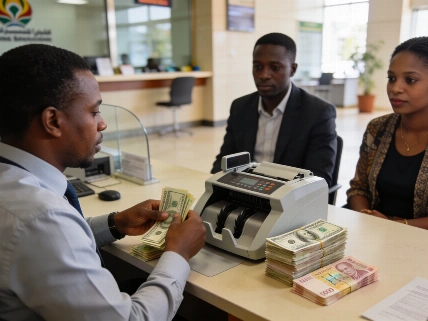
Ethiopia launches regular dollar auctions to steady foreign exchange market
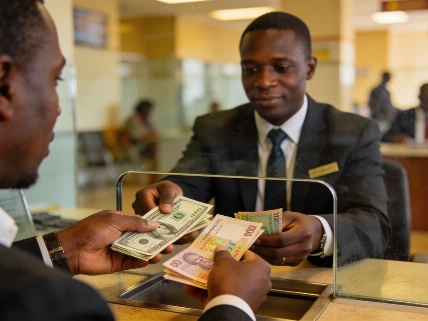
Ethiopia’s Central Bank is reshaping the foreign exchange market with scheduled USD 125 million auctions, giving banks and businesses a clearer route to hard currency.
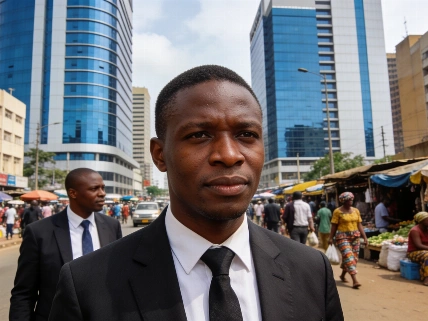
Goldman Sachs predicts Nigeria could reach a GDP of $3.4 trillion by 2050, a shift that would reshape Africa's economic order.
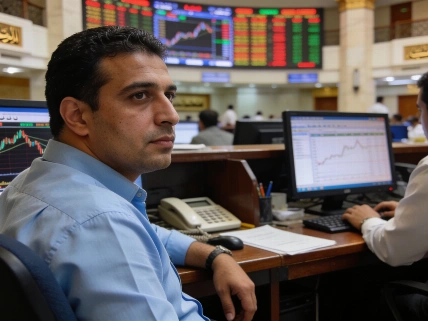
FTSE Russell has taken Egypt off its downgrade watch list, preserving its Secondary Emerging market status after basic companies met the index provider’s rules.
Emerging-market assets are falling. Investors are reacting to higher oil prices and mixed signals from central banks. Inflation and debt risks are back in focus.
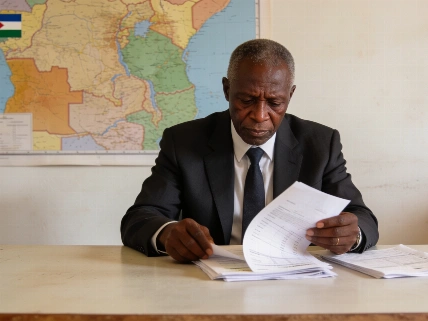
The IMF is urging South Sudan to freeze non-impressive spending and speed up reforms as Sudan’s war drives up prices and deepens the crisis.
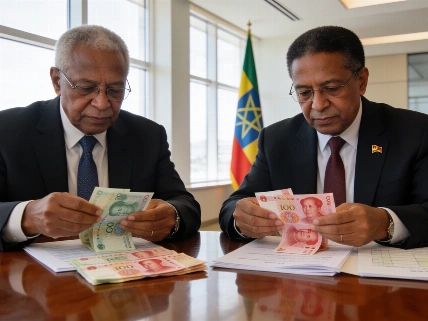
Ethiopia has secured a currency-swap agreement with China, enabling trade in Ethiopian birr and Chinese yuan as both countries seek to deepen economic ties and address foreign-exchange shortages.
Zambia is moving to restrict the US dollar in domestic transactions, signalling a shift towards local currency that echoes BRICS-led de-dollarisation trends.
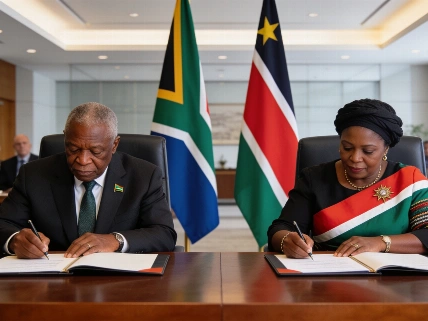
South Africa and Namibia have signed seven new agreements aimed at boosting trade, investment and industrial growth. The move signals a stronger push for regional economic ties.
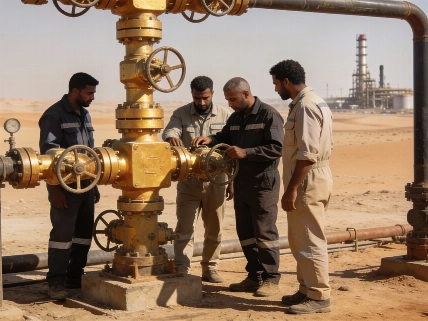
Libya faces a defining choice. Oil wealth and deep political rifts could bring prosperity or another round of chaos.
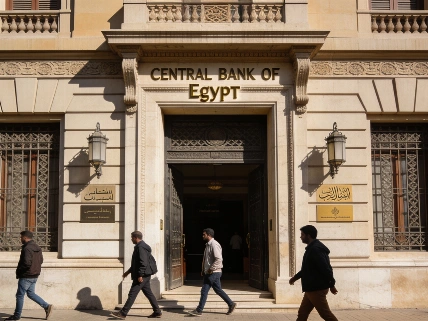
Egypt’s net international reserves climbed to $57.35 billion at the end of September 2026, a record. The increase from a year earlier strengthens the country’s financial buffer.
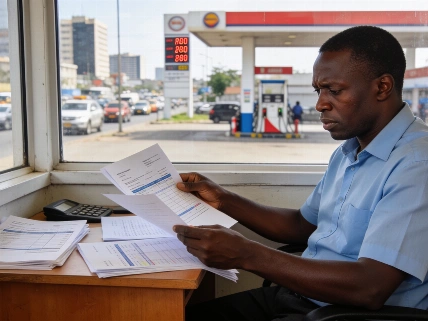
Kenya’s private sector is facing its sharpest jump in costs in nearly three years. Inflation and supply snags are putting the country’s economic recovery at risk.
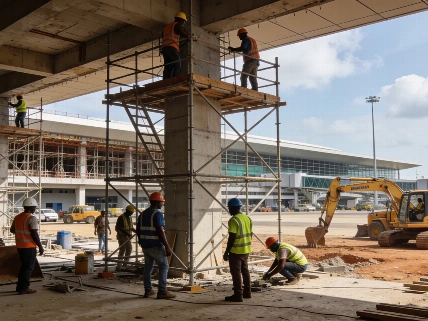
Nigeria’s aviation minister says the $500 million rebuild of Murtala Muhammed International Airport is funded by savings from the removal of fuel subsidies. The project signals a new approach to financing major infrastructure.