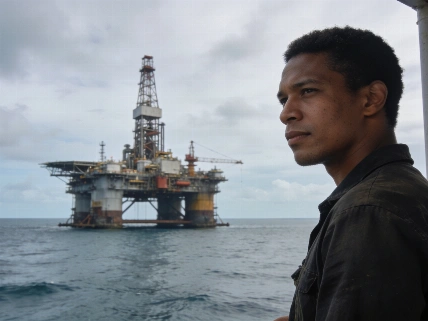
Guyana Pulls Ahead in 2026 Growth Forecasts
The IMF forecasts Guyana’s real GDP to grow 22.3% in 2026, with Taiwan Province of China at 10.7%. South Sudan and economies in Central Asia also rank among the fastest growers.
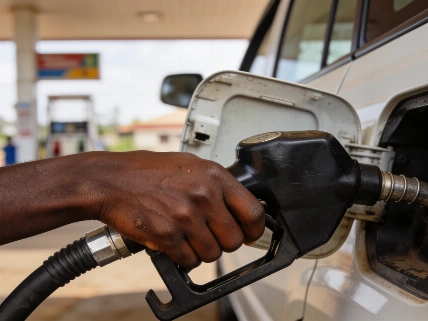

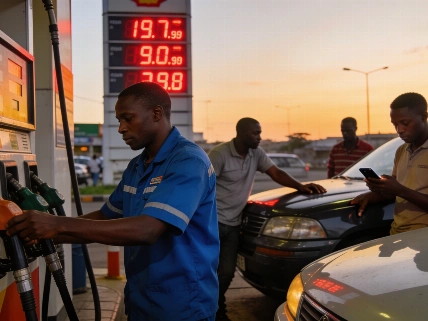
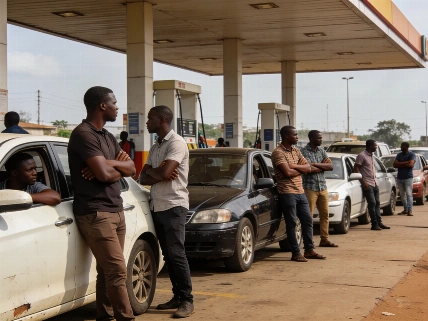
Kenya’s latest pump-price increase sharpens the squeeze on households. Sudan has eased fuel-import rules as Tanzania advances a rail-freight plan.
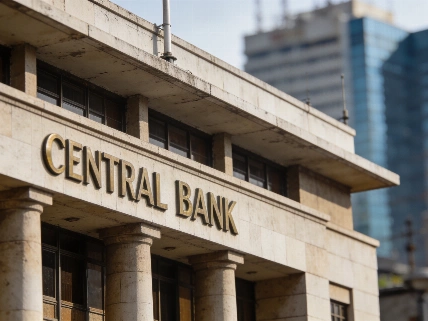
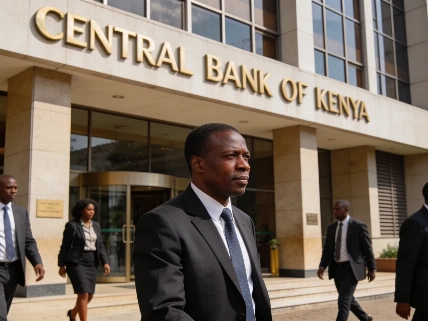
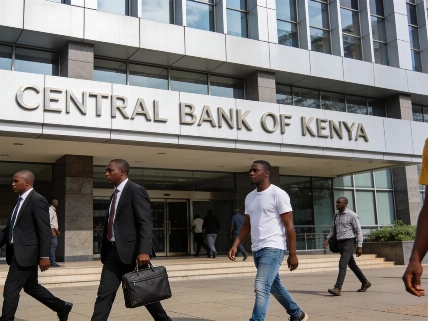
The Central Bank of Kenya will use its Institute of Monetary Studies to build technical skills among financial supervisors. The agreement sets no training timetable.
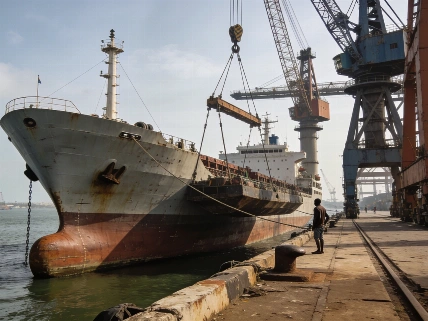
At the 2026 World Maritime Day event in Lagos, former NIMASA chief Mfon Usoro urged Nigeria to align agencies and set measurable benchmarks as its blue economy policy enters implementation.
Kenya held USD14.689 billion in reserves on October 15, leaving import cover above the Central Bank of Kenya’s four-month statutory minimum.
Rising demand for U.S. dollars from oil marketers and importers is testing the shilling’s recent stability. Higher fuel costs could add to inflation and raise the price of imported goods.
The shilling gained 4% after the Bank of Uganda lifted its benchmark rate to 12%, clawing back part of a slide that had taken the currency to a record low.
The CBK accepted KSh 52.32 billion against a KSh 28 billion offer on October 15. Most bids went to the 91-day bill.
The IMF forecasts 9.2% growth for Ethiopia in 2026, followed by 7.8% in 2027. Inflation is expected to fall before ticking up, while the current account deficit is projected to narrow.
The Finance Ministry has scheduled six Treasury bill auctions from October to December 2026. Most planned sales will mature in six months or a year, exposing more government borrowing to market-set rates.
The Reserve Bank of Zimbabwe approved Bard Santner Microfinance Bank from 1 October 2026. The group is preparing a digital service for diaspora remittances and SME trade.
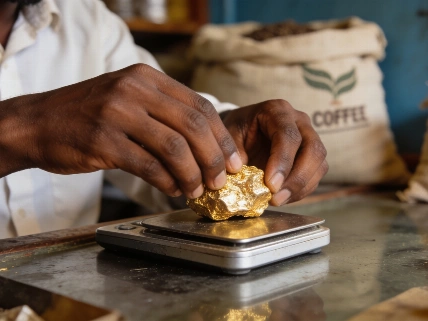
Ethiopia earned $2.309 billion from exports in the first two months of 2026/27. Gold and coffee supplied 84.4% of the receipts, while manufacturing fell short of its target.
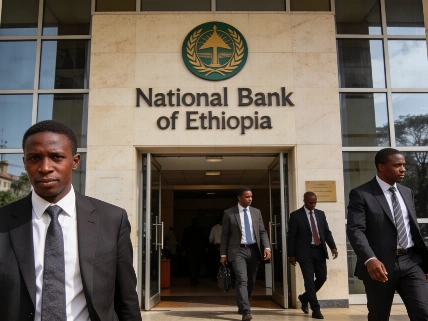
At the 2026 IMF and World Bank Group meetings, Ethiopia is seeking investment while advancing debt restructuring. It is also preparing to admit foreign banks after five decades of restrictions.
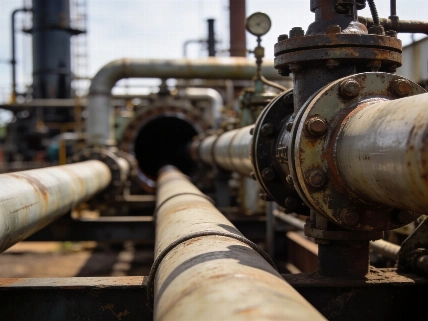
September crude production averaged 1.53 million barrels per day, 30,000 above Nigeria’s OPEC quota. Including condensates, output reached 1.717 million barrels per day.
Banks sought $152.09 million at the latest auction, against $140 million on offer. The sale was 108.6 per cent subscribed, reversing two rounds that fell short.
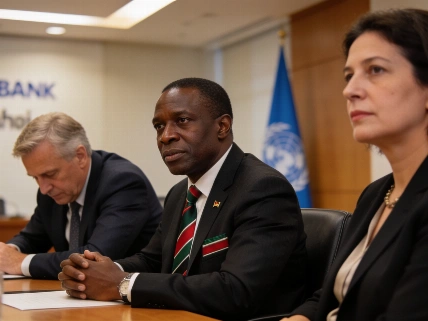
John Mbadi met senior World Bank officials in Bangkok during the annual meetings as Kenya reviewed its 2026/27 outlook. The talks covered debt management and development priorities amid stalled IMF negotiations and high borrowing costs.
At the 2026 IMF-World Bank meetings in Bangkok, Ethiopian officials reviewed existing IMF technical assistance and discussed further help for the finance ministry and central bank under a four-year arrangement worth about $3.4 billion.
Foreign-exchange reserves rose 56% to $6.7 billion in the year to June. The shilling has still lost more than 11% since January, while reserve cover remains short of the central bank’s four-month goal.
Strong growth forecasts and reform measures have yet to ease pressure on Ethiopian households and firms. Inflation is rising, the birr is weakening, and a new minimum tax is adding strain.
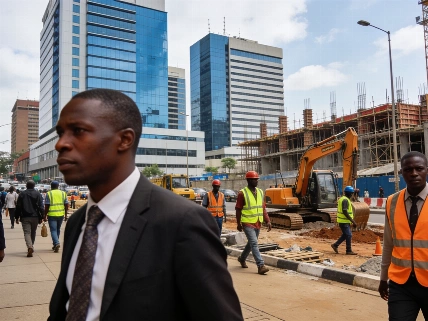
Circle Mall opened in Nairobi’s Kilimani, with Treasury PS Dr. Chris Kiptoo calling it proof of Kenya’s economic momentum and a friendlier business climate.
Major IPOs and cross-border takeovers are flooding Kenya’s capital markets, with Nairobi pulling ahead as East Africa’s new financial nerve center.
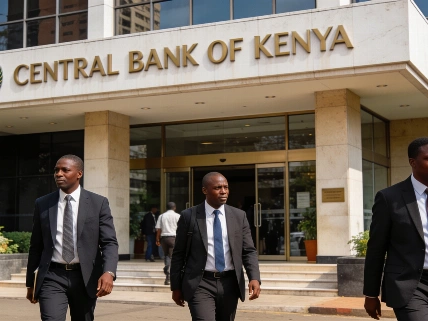
Kenya’s Central Bank wants sweeping new powers over payment firms as East African governments ramp up reforms in finance, energy, logistics and security.
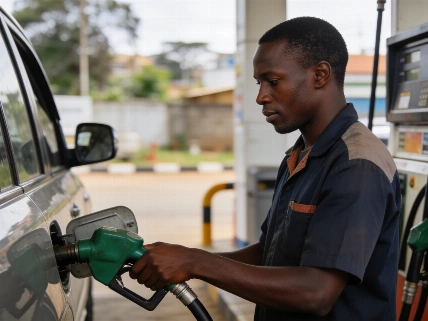
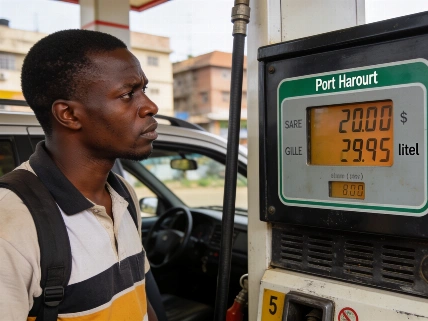
Depot petrol prices in Port Harcourt have jumped to ₦1,900 per litre, overtaking Lagos and squeezing commuters and manufacturers. Government discount efforts have failed to slow the surge.
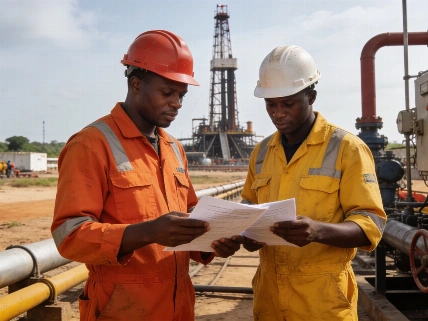
County bosses in Kenya face scrutiny as salary arrears and missing pension payments top Ksh100 billion, putting public workers’ livelihoods and retirement funds in jeopardy.
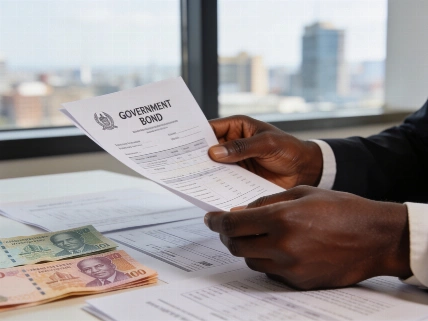
Secondary trading of Kenya's government bonds fell 40.8 percent last week, while demand for Treasury bills surged and yields slipped.
Kenya’s counties face mounting pressure over Ksh118.8 billion in pension arrears. A new payroll system promises to block fresh defaults but leaves existing debts unresolved.
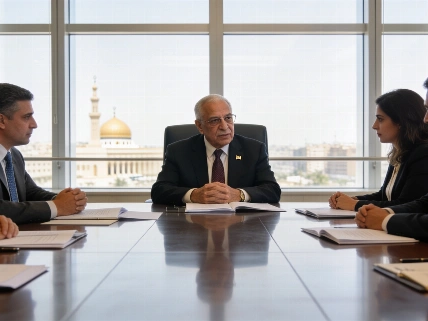
Kenya’s National Infrastructure Fund is investing KSh340 billion in domestic government bonds, targeting steady annual income and a new model for financing major projects.
Kenya’s Central Bank now expects faster growth in 2026 and 2027, banking on strong gains in industry and services even as global risks linger.
Oil has breached Ksh13,000 per barrel, putting Kenya's fuel import costs under fresh strain just as EPRA prepares its next price review.
A proposed 1,350 naira petrol price ceiling in Nigeria puts refiners and importers on the hook, raising the odds of fuel shortages as African markets juggle oil price swings and steady rates in Tanzania and Congo.
A detailed investigation reveals sharp price differences for popular hairstyles across Lagos, Abuja, Ibadan and Port Harcourt, exposing the cost of beauty in Nigeria’s urban centres.
Kenya’s Central Bank has left its benchmark lending rate unchanged at 8.75 percent, holding off on further hikes as inflation rises and household budgets come under strain.
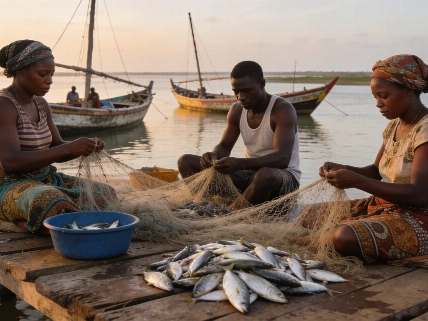
Nigeria’s fisheries face a crisis. IMION has outlined a five-pillar plan to protect marine resources and revive the Blue Economy.
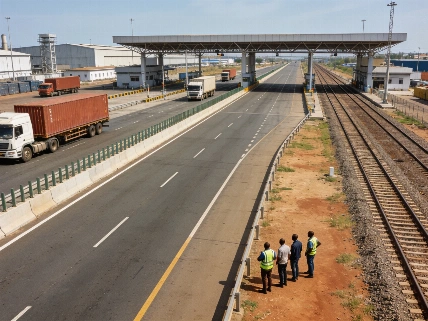
Africa’s infrastructure corridors are at a crossroads. Governments want to turn mineral wealth into regional industry, but face fragmented governance and shaky financing.
Kenya’s Central Bank has kept its basic rate unchanged at 8.75 percent, resisting calls for cheaper credit as inflation edges close to the government’s upper target.
Kenya’s Central Bank left its basic interest rate unchanged for the fourth meeting in a row, even as inflation climbed to its highest level since early 2024.
Nigeria has launched a new licensing round offering forty oil and gas blocks onshore and offshore, from shallow to deep water, to attract investment and revive production.
Egypt is rolling out long-term financing tools to support national and private sector projects, with the aim of reshaping its economy and expanding private business.
Ethiopia's Central Bank will offer 840 million US dollars in six foreign exchange auctions during the second quarter of the 2026/27 fiscal year.
Egypt is setting up a Unified Licensing Window to cut red tape for investors. The move is part of a three-year plan to boost private sector growth.